Estrace
In brief
Estradiol is a form of oestrogen used to replace declining or insufficient hormone levels. Its uses and effects depend on whether treatment is local or systemic. For systemic therapy in someone with a uterus, a progestogen is usually needed to protect the uterine lining.
Understanding Estradiol and Estrace
Estradiol, known by its International Nonproprietary Name (INN), is a form of estrogen, a hormone that plays a crucial role in the female reproductive system.
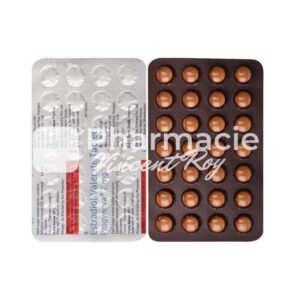
In Canada, it is commonly available under the brand name **Estrace**, which comes in various dosages of **0.5 mg, 1 mg, and 2 mg oral tablets** as well as a **vaginal cream**. This medication is classified under the ATC code **G03CA03**, falling within the category of sex hormones and modulators.
Manufacturers of Estrace include multiple generic suppliers across Canada, expanding access for patients who need hormonal treatment. Notably, it has been approved as a prescription medication by Health Canada, indicating that a healthcare provider’s consultation is required for use.
As a prescription-only medication, Estrace is intended for managing symptoms related to hypoestrogenism and menopause. It’s designed to provide an effective treatment option for individuals experiencing hormonal deficiencies.
Exploring the Pharmacological Details of Estrace
When it comes to pharmacology, estradiol works by mimicking the actions of natural estrogen in the body. This hormone influences various bodily systems, from regulating the menstrual cycle to affecting bone density.
The onset of action for estradiol is typically observed within **1 to 2 weeks**, depending on the individual and the condition being treated. It’s primarily metabolized in the liver and excreted through urine.
Interactions with other medications can occur, especially with drugs like **anticoagulants** and **anticonvulsants**. These interactions may alter the effectiveness of either estradiol or the co-administered medication. It’s vital to keep healthcare providers informed about all medications being taken to avoid complications.
Food and alcohol can also influence the absorption and effectiveness of estradiol. Drinking alcohol should be limited or avoided while on this medication. Patients should discuss dietary considerations with their healthcare providers to ensure optimal treatment outcomes.
Clinical Indications for Estrace Use
Estradiol holds several approved uses, largely focused on managing menopausal symptoms such as hot flashes, night sweats, and vaginal dryness, as well as addressing conditions arising from hypoestrogenism. Health Canada and the FDA have both recognized its efficacy in these areas.
Off-label, estradiol has been prescribed for certain types of cancers, like breast and prostate cancer, primarily for palliative purposes. This illustrates the hormone’s versatility beyond typical estrogen replacement therapy.
However, special populations must be treated with caution. For instance, estradiol is not typically prescribed to pediatric patients, and there are specific considerations for elderly individuals. Monitoring during pregnancy is critical, given potential risks associated with hormone therapy.
It’s important to consult with a healthcare provider about the suitability of estradiol for individual medical conditions and the associated risks.
Dosage and Administration Considerations
The **typical dosage for menopausal symptoms** of estradiol ranges from **1 to 2 mg** taken orally each day. For individuals using vaginal cream, the dosage may be higher initially but should taper after achieving desired effects.
When prescribing, adjustments might be necessary, particularly for the elderly or patients with existing health conditions. Closely monitoring responses to medication ensures the lowest effective dose is maintained.
Establishing a treatment duration is equally important; estradiol should only be used for the shortest necessary period. Storage conditions for Estrace require it to be kept at controlled room temperatures, ideally between **15-25°C**. Proper handling ensures the medication’s effectiveness and safety.
Patients should always adhere closely to their prescribed treatment regimens, and consult their healthcare providers if they miss doses or have concerns about their medication.
Safety & Warnings
- Pregnancy or suspected pregnancy
- Active or recent thromboembolic disorders such as deep vein thrombosis (DVT) or pulmonary embolism (PE)
- Severe liver dysfunction or disease
- Undiagnosed vaginal bleeding
- History of estrogen-dependent cancers, particularly breast and endometrial cancers
- Prior heart attack or stroke
- Allergic reactions to estradiol or components
- Hypertension
- Diabetes
- Hyperlipidemia
- Family history of hormone-dependent cancers
- Migraine issues
- Smoking, especially in individuals over thirty-five
- Renal impairment
Patient Experience
Alternatives & Comparison
| Alternative | Price (Approx.) | Effectiveness | Safety Profile | Availability |
|---|---|---|---|---|
| Premarin | Varies | Effective for menopause symptoms | Similar side effects to Estrace | Widely available |
| Vagifem | Varies | Targeted vaginal relief | Localized side effects primarily | Widely available |
| Estradiol patches | Varies | Long-lasting effectiveness | Potential for skin reactions | Widely available |
Market Overview of Estrace in Canada
- Blister packs holding oral tablets
- Tubes for the vaginal cream