Semaglutide
In brief
Semaglutide mimics a gut hormone involved in blood glucose control and appetite. Depending on the product, it is used for type 2 diabetes or long-term weight management. Nausea, vomiting and other digestive effects can occur, and different formulations are not interchangeable.
Understanding Semaglutide and Its Brand Names
Semaglutide is a significant medication in managing diabetes and obesity. It’s available under three brand names in Canada: **Ozempic**, **Wegovy**, and **Rybelsus**. Each of these products is designed to aid in managing blood glucose levels or support weight management.
The **ATC code** for semaglutide is **A10BJ06**, categorizing it within glucagon-like peptide-1 (GLP-1) analogues. This classification highlights its primary function in diabetes treatment.
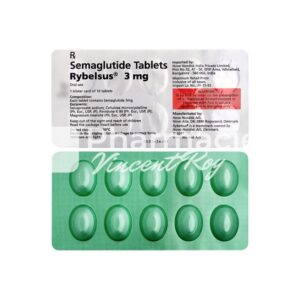
Dosage forms include subcutaneous injections and oral tablets, making it versatile for different patient preferences. Subcutaneous options range from 0.25mg to 2.4mg. In contrast, oral formulations are available in doses of 3mg, 7mg, and 14mg. All semaglutide formulations are manufactured by **Novo Nordisk**, a global leader in diabetes care, and are prescription-only in Canada.
Importantly, semaglutide has received regulatory approval from the US FDA, with **Ozempic** being approved in 2017, **Rybelsus** in 2019, and **Wegovy** in 2021. The European Medicines Agency (EMA) also provides approvals for these formulations, ensuring their safety and efficacy. For patients and healthcare providers in Canada, the prescription status reflects semaglutide’s clinical significance, underscoring the importance of professional guidance in its use.
Key Features and Dosage Forms for Semaglutide
Understanding the specifics about semaglutide can empower patients and healthcare providers alike in managing diabetes and related health issues.
– **Brand Names**: The three prominent choices available in Canada include **Ozempic**, **Wegovy**, and **Rybelsus**. Each brand targets different treatment outcomes.
– **ATC Classification**: Being classified under **A10BJ06** connects it directly to diabetes management, emphasizing its role in controlling blood glucose levels.
– **Dosage Forms**: * **Subcutaneous Injection**: Doses come in a range, ensuring that patients can start with lower amounts and adjust as needed. Available dosages include 0.25mg, 0.5mg, 1mg, 1.7mg, 2mg, and 2.4mg. * **Oral Tablet**: For those who prefer not to inject, the oral forms provide an alternative in dosages of 3mg, 7mg, and 14mg.
– **Manufacturer**: **Novo Nordisk** stands as the sole manufacturer, providing accountability and consistency in production.
– **Registration and Prescription Status**: Semaglutide’s approval by the FDA and the EMA adds to its credibility, indicating extensive testing for safety and efficacy. The prescription-only status means healthcare professionals must oversee its use, ensuring patient safety and optimal treatment outcomes.
This information highlights semaglutide’s critical role in diabetes treatment and expresses the need for professional oversight in its administration. Access to this medication reflects ongoing efforts to improve health outcomes for those affected by diabetes and obesity in Canada.
Patient Experience
Alternatives & Comparison
- Liraglutide (Victoza, Saxenda)
- Dulaglutide (Trulicity)
- Tirzepatide (Mounjaro)
| Medication | Price/CAD | Effectiveness | Safety Profile | Availability |
|---|---|---|---|---|
| Semaglutide | $150-$250 | High | Moderate (watch for GI side effects) | Widely available |
| Liraglutide | $140-$230 | Moderate-High | Similar to semaglutide | Widely available |
| Dulaglutide | $160-$270 | High | Mild (fewer GI issues) | Widely available |
Market Overview
Research & Trends
Semaglutide FAQs: Common User Questions
Inject it under the skin as instructed by your healthcare provider, generally once a week.
It’s wise to limit alcohol, as it can heighten side effects such as nausea.
If you miss a dose within five days, take it immediately when you remember. If it’s been over five days, skip it and continue with your regular schedule.
Using Semaglutide during pregnancy is not recommended. Always consult with your doctor for alternative options.
Potential long-term risks include pancreatitis and diabetic retinopathy, so maintaining regular health check-ups is crucial.
Coverage can vary based on your insurance provider, so it’s best to check your specific details.
Weight loss results can differ widely among individuals; many lose around 5-15% of their body weight during treatment.
Guidelines for Proper Use of Semaglutide
- When and How to Take the Medication:
It’s best to inject subcutaneously on a designated day each week, ideally after a meal. - What to Avoid While Using the Medication:
Minimize alcohol consumption, and be cautious about mixing with certain diabetes medications without talking to your healthcare provider. - Basic Storage Recommendations:
Unopened pens should be kept refrigerated. Once opened, they can be stored at room temperature for up to 56 days, away from direct heat. - Common Mistakes to Avoid:
Never double dose if you miss one; and always consult your doctor before making any changes to your dosage. - Reminder:
Be sure to read the patient leaflet carefully and stick to your healthcare provider’s instruction for the best results.