Glucophage
In brief
Metformin helps manage type 2 diabetes by reducing glucose production in the liver and improving the body’s response to insulin. On its own, it rarely causes low blood glucose. Digestive upset is common, especially when treatment begins.
What Is Metformin? An Overview Of Glucophage
Metformin is an essential medication primarily prescribed for managing Type 2 Diabetes Mellitus. It is recognized globally for its ability to help control blood sugar levels effectively. In Canada, Metformin is most commonly marketed under the brand name Glucophage
Understanding The ATC Code And Category
The ATC code for Metformin is A10BA02
Available Dosage Forms
In Canada, Metformin is available in various dosages:
- Standard Tablets: 500 mg, 850 mg, and 1000 mg
- XR (Extended-Release) Tablets: 500 mg, 750 mg, and 1000 mg
These oral formulations allow patients to have options based on their treatment needs and preferences. There are no injectable or cream forms available, making adherence straightforward since the medication is taken orally.
Manufacturers And Their Importance
Key manufacturers of Metformin in Canada include Merck
Registration Status And Prescription Guidelines
In Canada, Metformin is firmly regulated as a prescription-only medication, categorizing it as Rx
With its proven effectiveness and recognition as an essential medicine, Metformin remains a cornerstone in the management of Type 2 diabetes, making it an indispensable part of many treatment plans.
Dosage & Administration
Managing diabetes effectively relies on the right Glucophage dosage
When considering age or underlying health conditions, dosage modifications are crucial. For elderly patients, especially those with renal impairment, careful renal function monitoring is necessary. Generally, if the estimated glomerular filtration rate (eGFR) is below 30 mL/min, the use of Glucophage is contraindicated. Regular assessments and possible reductions in dosage are vital for those with mild renal impairment.
Treatment duration can be chronic, as long as it continues to manage glycemic levels effectively and is well-tolerated. Store Glucophage in a cool, dry place, ideally at 25°C (77°F)
Safety & Warnings
Understanding the Glucophage safety
Common side effects include gastrointestinal issues such as diarrhea and nausea. Rare but severe risks like lactic acidosis
Patient Experience
User feedback on platforms like Drugs.com and Reddit reveals diverse experiences with Glucophage. Many patients laud its effectiveness in helping manage blood sugar levels. However, some report common complaints, particularly gastrointestinal side effects. These experiences underline the importance of proper dosage and administration as a means to mitigate discomfort.
Insights from forums emphasize the variability in individual responses to the medication. While most users find success in controlling their diabetes symptoms, adherence can be challenging for some due to side effects. Personal accounts highlight the adjustment period that many go through to balance effective management with tolerability. Understanding these aspects can help new users navigate their own treatment journey with Glucophage.
Alternatives & Comparison
In Canada, a variety of alternatives to Glucophage may be prescribed, including Sitagliptin
| Medication | Price (CAD) | Effectiveness | Safety Profile | Generic Availability |
|---|---|---|---|---|
| Glucophage | $30 | High | GI issues, risk of lactic acidosis | Yes |
| Sitagliptin | $50 | Moderate | Rare risk of pancreatitis | Yes |
| Glimepiride | $40 | High | Risk of hypoglycemia | Yes |
Preferences among local doctors often lean towards prescribing Glucophage as a first-line therapy due to its extensive safety profile and long history of effectiveness. However, choices can vary based on patient specifics and comorbid conditions, tailoring solutions to individual needs.
Market Overview of Glucophage in Canada
When looking for Glucophage, most patients will find it stocked at large pharmacy chains like Shoppers Drug Mart, Rexall, and Walmart. Smaller independent pharmacies usually carry it as well.
The average price of Glucophage in Canada varies, but you can generally expect to pay between $15 to $40 for a month’s supply. Pricing may fluctuate based on the dosage, with higher strengths like 1000 mg typically costing more.
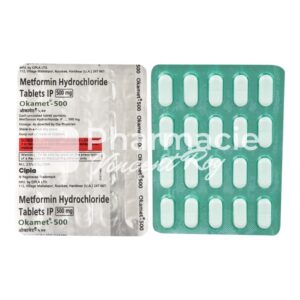
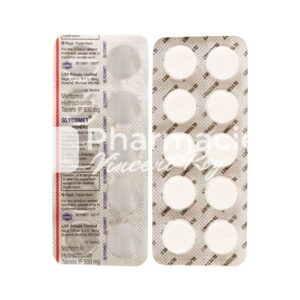
In terms of packaging, Glucophage is usually found in both blister packs and bottles, with blister packs being a popular choice for their convenience and ability to keep dosages organized. Standard packaging options include 30, 60, or even 100 tablets per pack, depending on the manufacturer.
Demand for Glucophage tends to correlate closely with the prevalence of chronic conditions like Type 2 diabetes, which is on the rise in Canada. Additionally, seasonal trends do play a role; some observe an uptick in prescriptions during the winter months as people reassess their health following the holiday season.
Research and Trends for Glucophage
Recent studies from 2022 to 2025 continue to affirm the effectiveness of Glucophage in managing blood sugar levels in Type 2 diabetes patients. Recent findings suggest that it may also assist with weight management, a significant concern for many affected by diabetes.
Exciting research is ongoing into Glucophage’s potential benefits beyond diabetes treatment. For instance, some trials are exploring its role in weight loss and even in cardiovascular health, particularly for those with metabolic syndrome.
The patent status of Glucophage allows for various generics to thrive in the market, making this medication accessible to more people. Currently, multiple manufacturers offer generic metformin, which helps keep costs reasonable and provides options for patients seeking affordable diabetes management.
Guidelines for Proper Use of Glucophage
Taking Glucophage should generally align with meals to enhance absorption and reduce gastrointestinal side effects. If you’re being prescribed it, timing is essential; taking it consistently at the same times every day is crucial for optimal results.
Avoid alcohol while on Glucophage, as it may increase the risk of lactic acidosis. Foods high in sugar may counteract the effects of the medication, making a balanced diet essential. Be cautious about mixing Glucophage with other medications; your healthcare provider can offer guidance on potential interactions.
Store Glucophage at room temperature, ideally between 15 to 25°C, protecting it from moisture and heat to ensure it remains effective. Missed doses are common; if one slips your mind, take it as soon as you remember unless it’s almost time for the next one. Never double up on doses.
Common mistakes people make include skipping doses and not keeping up with dietary recommendations. Reading patient leaflets is essential to understand how to manage your medication effectively. Always consult with a healthcare professional for personalized advice.