Semaglutide
In brief
Semaglutide mimics a gut hormone involved in blood glucose control and appetite. Depending on the product, it is used for type 2 diabetes or long-term weight management. Nausea, vomiting and other digestive effects can occur, and different formulations are not interchangeable.
Understanding Semaglutide and Its Brand Names
Semaglutide is a significant medication in managing diabetes and obesity. It’s available under three brand names in Canada: **Ozempic**, **Wegovy**, and **Rybelsus**. Each of these products is designed to aid in managing blood glucose levels or support weight management.
The **ATC code** for semaglutide is **A10BJ06**, categorizing it within glucagon-like peptide-1 (GLP-1) analogues. This classification highlights its primary function in diabetes treatment.
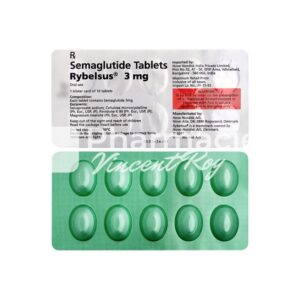
Dosage forms include subcutaneous injections and oral tablets, making it versatile for different patient preferences. Subcutaneous options range from 0.25mg to 2.4mg. In contrast, oral formulations are available in doses of 3mg, 7mg, and 14mg. All semaglutide formulations are manufactured by **Novo Nordisk**, a global leader in diabetes care, and are prescription-only in Canada.
Importantly, semaglutide has received regulatory approval from the US FDA, with **Ozempic** being approved in 2017, **Rybelsus** in 2019, and **Wegovy** in 2021. The European Medicines Agency (EMA) also provides approvals for these formulations, ensuring their safety and efficacy. For patients and healthcare providers in Canada, the prescription status reflects semaglutide’s clinical significance, underscoring the importance of professional guidance in its use.
Key Features and Dosage Forms for Semaglutide
Understanding the specifics about semaglutide can empower patients and healthcare providers alike in managing diabetes and related health issues.
– **Brand Names**: The three prominent choices available in Canada include **Ozempic**, **Wegovy**, and **Rybelsus**. Each brand targets different treatment outcomes.
– **ATC Classification**: Being classified under **A10BJ06** connects it directly to diabetes management, emphasizing its role in controlling blood glucose levels.
– **Dosage Forms**: * **Subcutaneous Injection**: Doses come in a range, ensuring that patients can start with lower amounts and adjust as needed. Available dosages include 0.25mg, 0.5mg, 1mg, 1.7mg, 2mg, and 2.4mg. * **Oral Tablet**: For those who prefer not to inject, the oral forms provide an alternative in dosages of 3mg, 7mg, and 14mg.
– **Manufacturer**: **Novo Nordisk** stands as the sole manufacturer, providing accountability and consistency in production.
– **Registration and Prescription Status**: Semaglutide’s approval by the FDA and the EMA adds to its credibility, indicating extensive testing for safety and efficacy. The prescription-only status means healthcare professionals must oversee its use, ensuring patient safety and optimal treatment outcomes.
This information highlights semaglutide’s critical role in diabetes treatment and expresses the need for professional oversight in its administration. Access to this medication reflects ongoing efforts to improve health outcomes for those affected by diabetes and obesity in Canada.
Patient Experience
What does living with Semaglutide really feel like? Many users have taken to various platforms to share their experiences, and the feedback can be quite revealing. On Drugs.com
Meanwhile, forums like Reddit
Discussion groups highlight the everyday challenges of adhering to this medication. Many share tips for managing side effects effectively. Personal stories resonate strongly, with individuals discussing significant health improvements and changes in lifestyle that accompany their treatment.
Perceptions of Semaglutide’s effectiveness vary, primarily influenced by individual treatment expectations. A common thread in user testimonies emphasizes that success often correlates with the commitment to dietary changes in conjunction with the medication.
Alternatives & Comparison
What should a patient consider if Semaglutide doesn’t seem right? There are several common alternatives available in Canada, including:
- Liraglutide (Victoza, Saxenda)
- Dulaglutide (Trulicity)
- Tirzepatide (Mounjaro)
Here’s how these medications stack up against Semaglutide:
| Medication | Price/CAD | Effectiveness | Safety Profile | Availability |
|---|---|---|---|---|
| Semaglutide | $150-$250 | High | Moderate (watch for GI side effects) | Widely available |
| Liraglutide | $140-$230 | Moderate-High | Similar to semaglutide | Widely available |
| Dulaglutide | $160-$270 | High | Mild (fewer GI issues) | Widely available |
Local prescribing practices are trending favorably toward Semaglutide, largely due to its effectiveness in weight management, making it a popular choice amongst healthcare professionals.
Market Overview
When it comes to buying Semaglutide in Canada, where can you find it? Major pharmacy chains include Shoppers Drug Mart
Packaging options are convenient, with the medication available in subcutaneous prefilled pens ranging from 0.25mg to 2.4mg and oral tablets in blister packs. Since the pandemic, demand for Semaglutide has remained steady, but there’s been a noticeable surge for weight loss solutions, reflective of lifestyle changes.
Despite its availability, Wegovy has faced frequent supply shortages, making access a potential issue for patients looking to manage their weight effectively.
Research & Trends
The landscape for Semaglutide is evolving. Recent clinical trials and meta-analyses from 2022 to 2025 show significant results validating the efficacy and safety of this medication for weight loss.
Excitingly, researchers are also exploring long-term effects of GLP-1 agonists that extend beyond conventional diabetes treatment. There is ongoing research into potential off-label uses for various metabolic conditions, broadening its applicability.
As for the future, Semaglutide’s patent protection lasts until 2031, currently held exclusively by Novo Nordisk. Generics are not yet available, but the rising demand may expedite their entry into the market, offering more options to patients in need.
Semaglutide FAQs: Common User Questions
When it comes to starting Semaglutide, many patients have questions. A few common concerns shared by users include:
How do I take Semaglutide?
Can I drink alcohol while on Semaglutide?
What happens if I miss a dose?
Can I use Semaglutide during pregnancy?
Are there any long-term risks?
Is Semaglutide covered by insurance?
How much weight can I expect to lose?
Guidelines for Proper Use of Semaglutide
Using Semaglutide effectively involves a few important guidelines:
- When and How to Take the Medication:
It’s best to inject subcutaneously on a designated day each week, ideally after a meal. - What to Avoid While Using the Medication:
Minimize alcohol consumption, and be cautious about mixing with certain diabetes medications without talking to your healthcare provider. - Basic Storage Recommendations:
Unopened pens should be kept refrigerated. Once opened, they can be stored at room temperature for up to 56 days, away from direct heat. - Common Mistakes to Avoid:
Never double dose if you miss one; and always consult your doctor before making any changes to your dosage. - Reminder:
Be sure to read the patient leaflet carefully and stick to your healthcare provider’s instruction for the best results.