
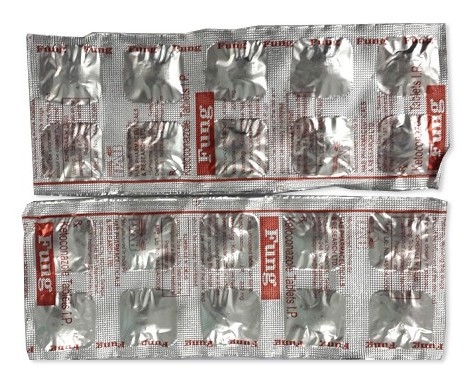
Nizoral
- Nizoral can be purchased in select pharmacies, and a prescription is required for oral forms in many regions, while topical forms may be available over the counter.
- Nizoral is used for the treatment of systemic mycoses and other fungal infections. Its mechanism of action involves inhibiting the synthesis of ergosterol, an essential component of fungal cell membranes.
- The usual dosage for systemic mycoses is 200 mg taken once daily, which may be increased to 400 mg once daily based on the individual’s response.
- The form of administration is available as tablets, creams, and shampoos.
- The effect of the medication typically begins within a few days, but full effectiveness may take longer depending on the condition being treated.
- The duration of action generally lasts for 24 hours, necessitating daily dosing.
- Alcohol consumption is not recommended while taking Nizoral due to the risk of liver toxicity.
- The most common side effects include nausea, vomiting, abdominal pain, headache, and dizziness.
- Would you like to try Nizoral without a prescription?
Trackable delivery
10-21 days
Payment method
Visa, MasterCard, Discovery, AMEX, Bitcoin, Ethereum
Free delivery (by Standard Airmail) on orders over CAD282
Related Products:
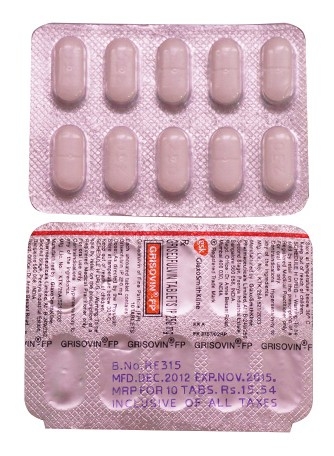
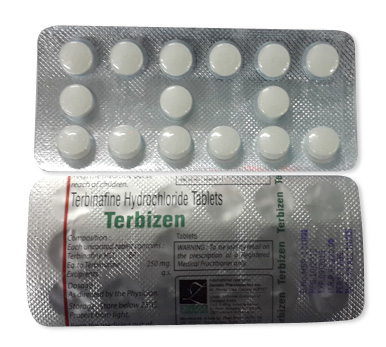
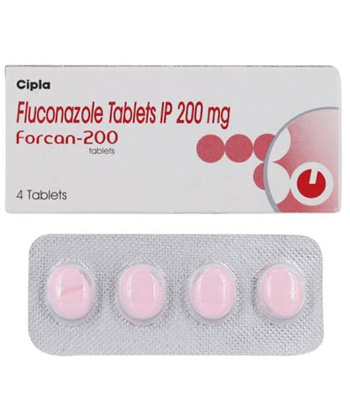
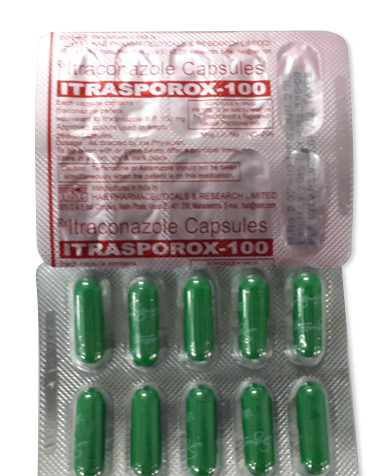
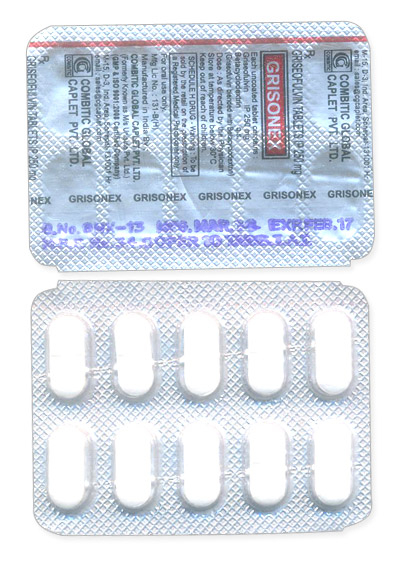
Basic Nizoral Information
- INN (International Nonproprietary Name): Ketoconazole
- Brand names available in Canada: Nizoral
- ATC Code: J02AB02
- Forms & dosages:
- Oral Tablets: 200 mg
- Topical Creams: 2%
- Shampoos: 2%
- Manufacturers in Canada: Johnson & Johnson, Bayer, Glenmark, Cipla
- Registration status in Canada: Prescription-only (Rx); topical forms may be OTC
What Is Nizoral?
Nizoral is the brand name for ketoconazole, a powerful antifungal medication used to combat various fungal infections. It plays an important role in treating conditions like systemic mycoses and dermatophyte infections. Available in different formulations, Nizoral can be found as oral tablets, topical creams, and shampoos, making it versatile for treating skin and systemic conditions.What Is the ATC Classification?
The ATC code for Nizoral is J02AB02, classifying it as a systemic antimycotic of the triazole derivative type. The ATC system categorizes medications based on their active ingredients and therapeutic indications, helping healthcare professionals quickly identify the purpose and classification of a drug. This classification indicates that Nizoral effectively inhibits fungal growth by interfering with the synthesis of ergosterol in fungal cell membranes.Forms And Dosages Of Nizoral
Within Canada, Nizoral is available in three dosage forms:- Oral Tablets: Each tablet contains 200 mg of ketoconazole.
- Topical Creams: Available at 2% concentration, suitable for localized skin infections.
- Shampoos: The 2% shampoo is designed for treatment of dandruff and seborrheic dermatitis.
Manufacturers
In Canada and the European Union, ketoconazole is produced by well-known pharmaceutical companies like Johnson & Johnson and Bayer. Furthermore, local generic manufacturers such as Glenmark and Cipla also produce ketoconazole formulations, enhancing the availability of this medication across the market.Prescription Status Of Nizoral
In Canada, Nizoral is available by prescription for its oral forms, ensuring that patients have appropriate medical supervision during their treatment. However, its topical forms, like creams and shampoos, can often be found over-the-counter (OTC), allowing easier access for individuals looking to treat common fungal infestations.Safety & Warnings of Nizoral
Nizoral, known for its effectiveness against fungal infections, comes with certain safety considerations. Understanding these safely is essential for potential users. Contraindications: The use of Nizoral is not advisable for individuals with known hypersensitivity to ketoconazole. It should also be avoided in patients with pre-existing liver diseases. Additionally, those at risk for certain types of arrhythmias should not take this medication as it may exacerbate these conditions. Side Effects: Common side effects of Nizoral include nausea, headache, and rash. However, severe side effects can occur, such as hepatic toxicity and adrenal suppression, both of which can pose serious health risks. Special Precautions: Pregnant women should be closely monitored while using Nizoral. Patients with liver or kidney diseases, as well as the elderly, require careful observation due to the increased risk of adverse effects. Black Box Warnings: Oral formulations of Nizoral carry a black box warning that highlights the significant risks associated with hepatic adverse events and potential arrhythmias. These warnings serve to inform healthcare providers and patients about the serious nature of these risks.Patient Experience with Nizoral
When it comes to how well Nizoral works in real life, user reviews tell a varied story. Many patients on platforms like Drugs.com and WebMD report positive results, especially for treating dandruff and fungal infections. However, they also voice concerns regarding potential liver side effects that could come with its use. User Feedback: Insights from Reddit reveal mixed experiences, where some find Nizoral effective against skin infections. Yet there are notable reports of side effects leading to discontinuation. Some users express frustration over the balance of efficacy versus adverse effects, leaving some feeling torn about continuing treatment. Effectiveness: Overall, effectiveness seems to vary by individual. While some see Nizoral as a beneficial last resort for stubborn fungal issues, others struggle with the need for adherence due to unpleasant side effects. Listening to these experiences can provide valuable context for new users considering this treatment.Alternatives & Comparison to Nizoral
For those weighing their options, several alternatives to Nizoral are available that may present fewer risks. Understanding these alternatives can help guide treatment decisions.- Itraconazole: It features a lower risk of liver toxicity compared to ketoconazole and is often preferred for patients needing systemic antifungal treatment.
- Fluconazole: This option is effective against disseminated candidiasis, with a better safety profile that minimizes liver risks.
| Drug Name | Active Ingredient | Price (CAD) | Efficacy | Safety |
|---|---|---|---|---|
| Nizoral | Ketoconazole | x.xx | Good | Caution advised |
| Itraconazole | Itraconazole | x.xx | Very Good | Good |
| Fluconazole | Fluconazole | x.xx | Excellent | Minimal liver risk |